VUILD Holds Japan's First 12-Day Architecture Program with the World-Renowned AA School
- #Press Release
- #Architecture
- #Architects
- #Noto Peninsula Earthquake
- #Disaster Recovery
- #Reclaimed Timber
- #Robotic Arm
- #Digital Design
- #Education Program
- #VUILD
- #Digital Fabrication
- #KUKA
- #Timber Rescue
- #AA School
Using timber rescued from homes damaged in the Noto earthquake together with robotics, 20 students from Japan and abroad learned digital fabrication and traditional Japanese carpentry, completing a pavilion in just a short time.
VUILD Inc. (Headquarters: Atsugi, Kanagawa; CEO: Koki Akiyoshi; “VUILD”), an architecture startup, has jointly held “AA Visiting School Japan,” a hands-on program with the world-renowned Architectural Association School of Architecture (“AA School”), connecting Japan’s regional making sites with international architectural education (July 27 – August 7, 2026).
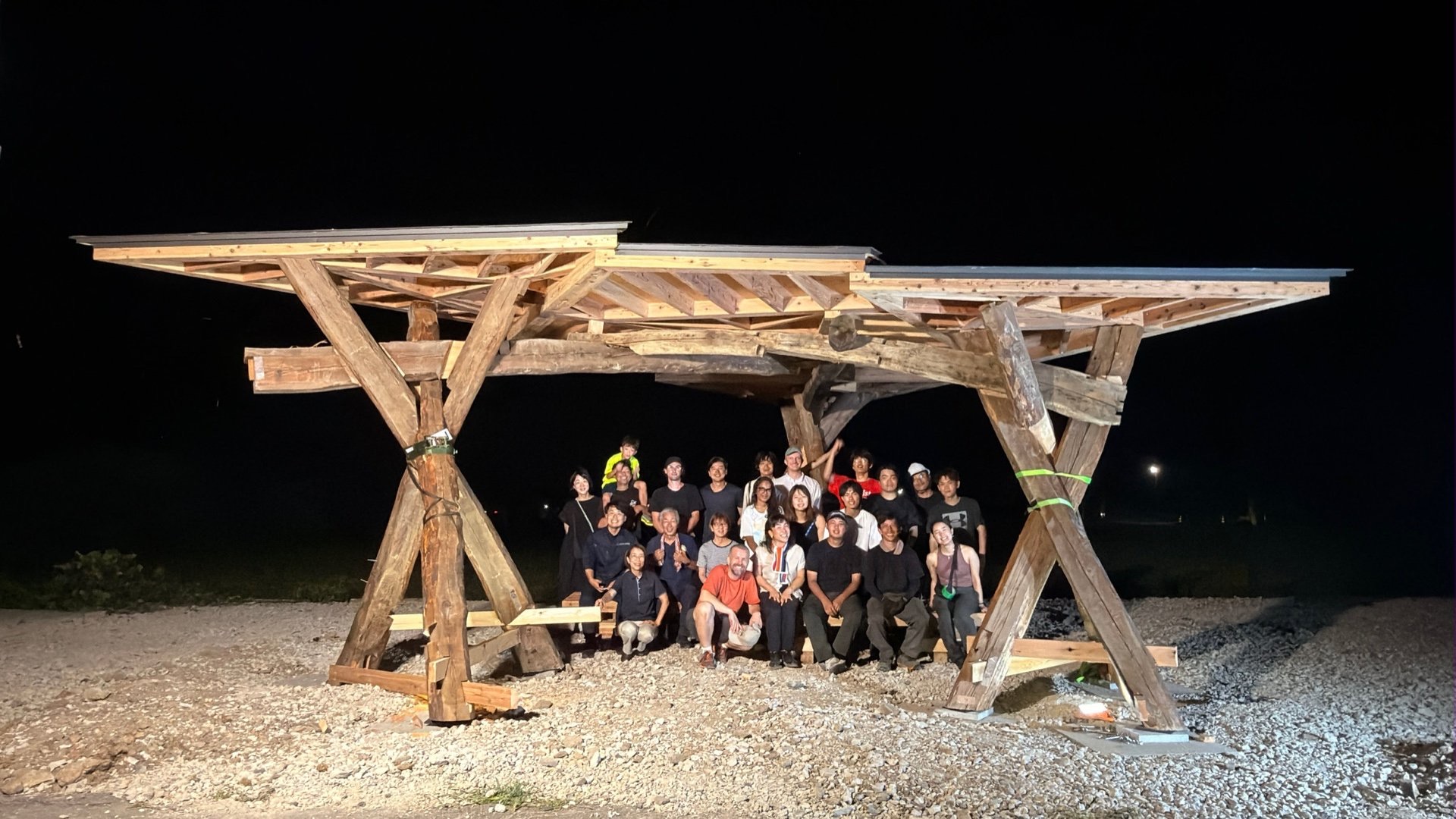
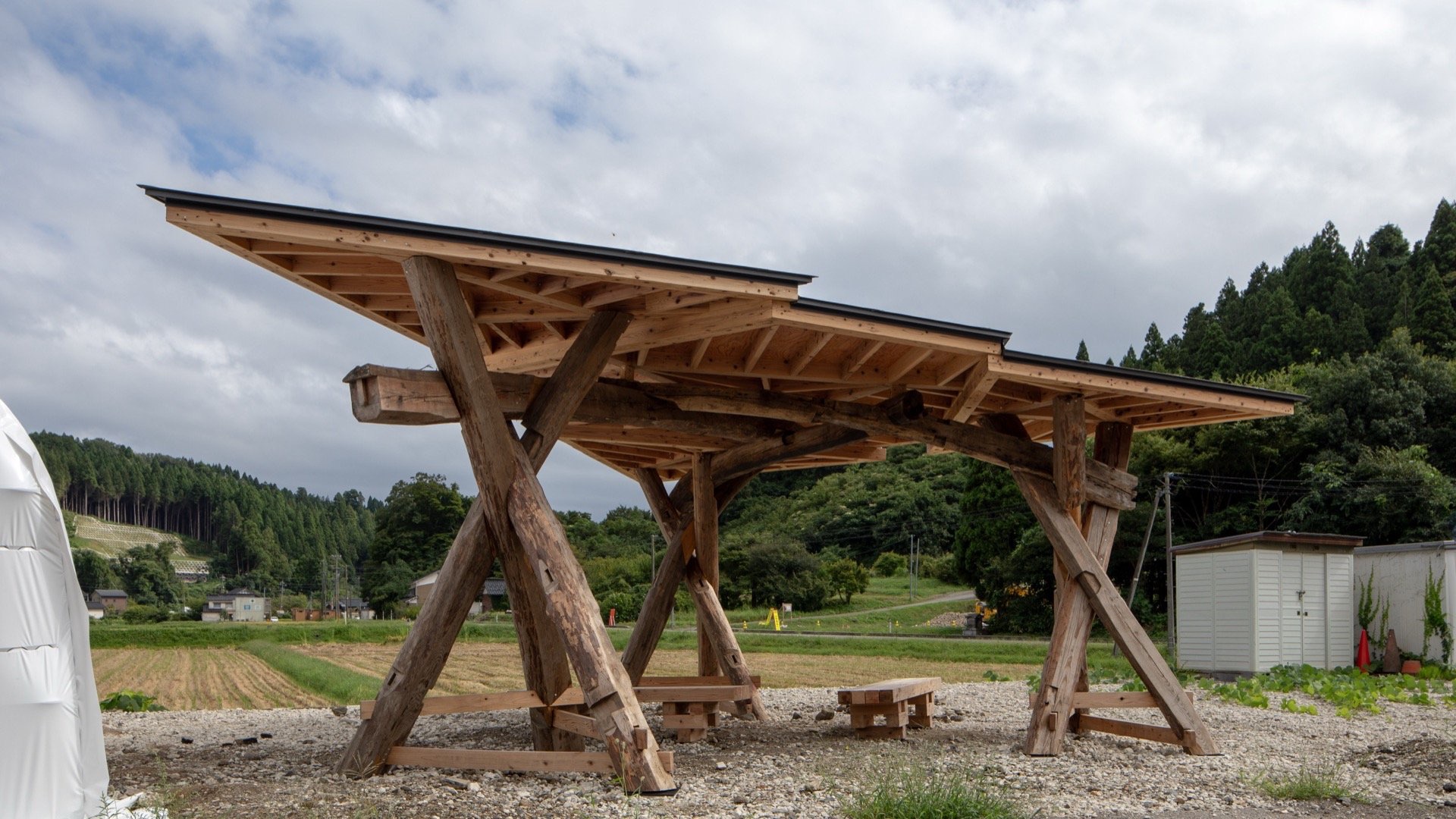
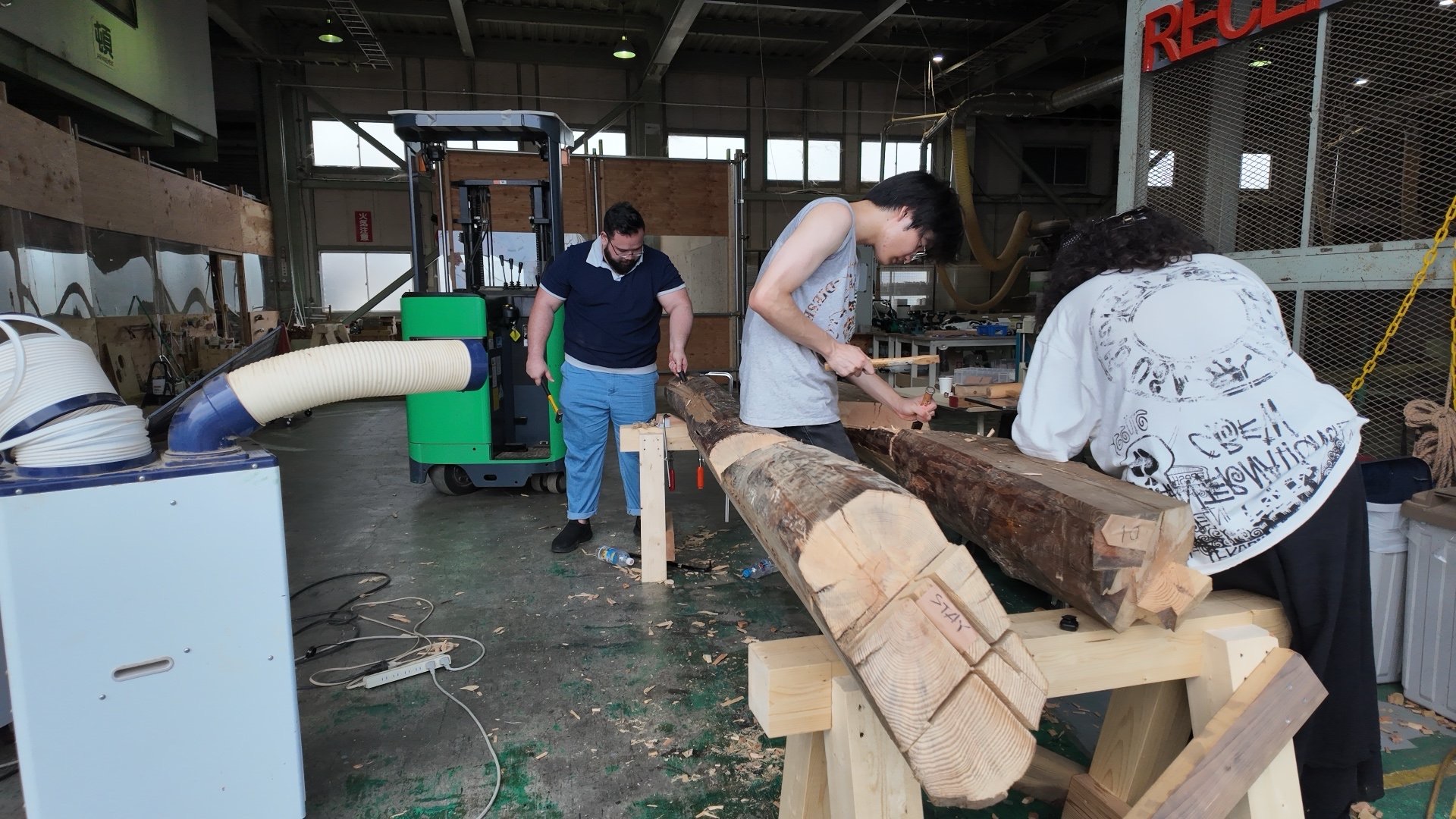
Over the 12-day program, participants learned traditional carpentry and digital fabrication, and completed a pavilion built from timber rescued from houses damaged in the Noto Peninsula Earthquake.
1. Overview | Practicing everything from design to construction
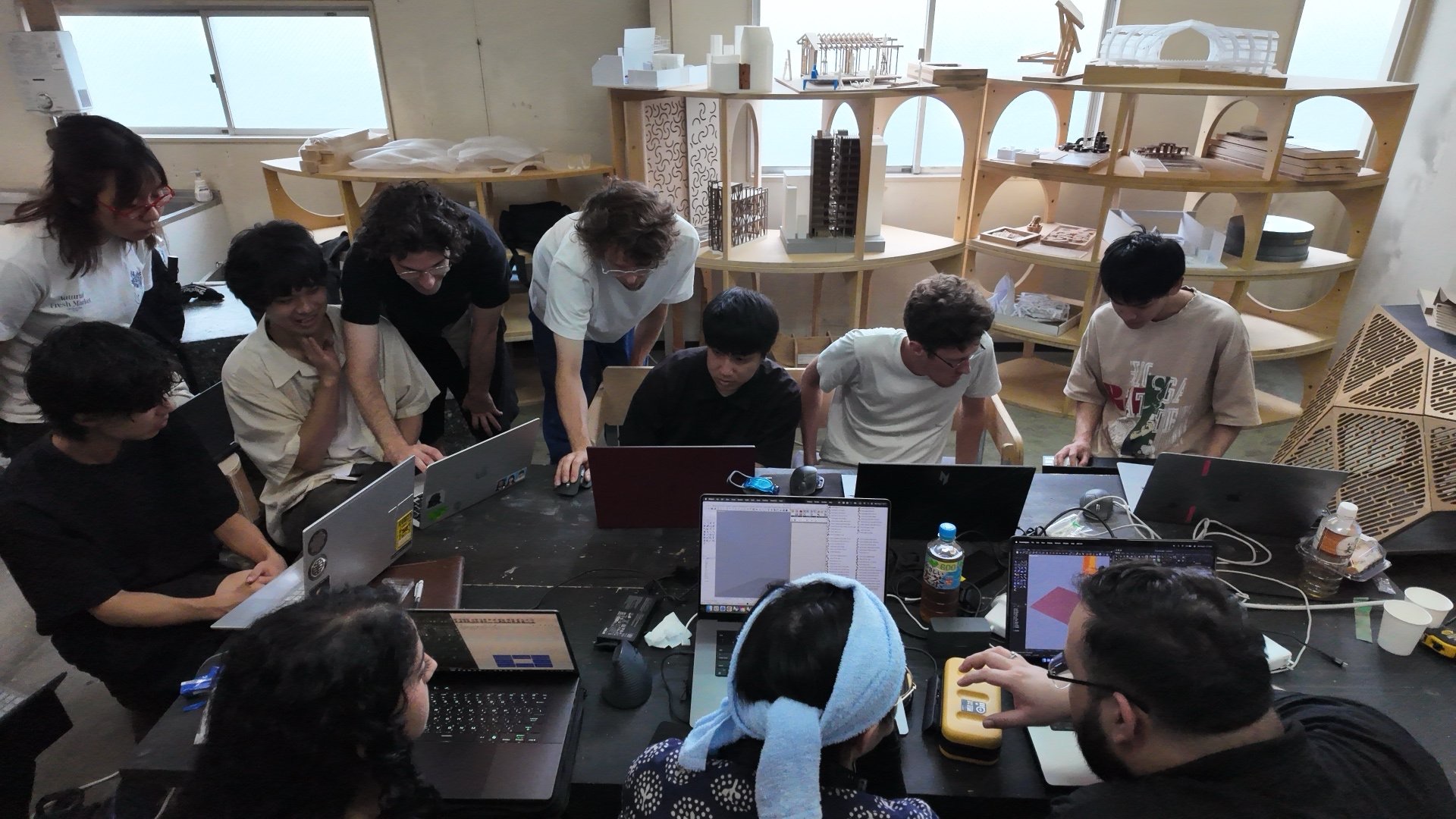
Under the theme “From Vernacular Craft to Digital Fabrication,” 20 students from around the world worked through the entire process themselves, from concept and digital design to CNC and robotic-arm machining and assembly. Rather than separating design from construction, the program centered on a process in which students think on site and learn by making, testing and revising. It was an attempt to extend learning toward implementing architecture in real society and communities through design-build, while engaging with local resources and traditional techniques.
2. Inside the program | Merging world-class digital technology with Japanese carpentry
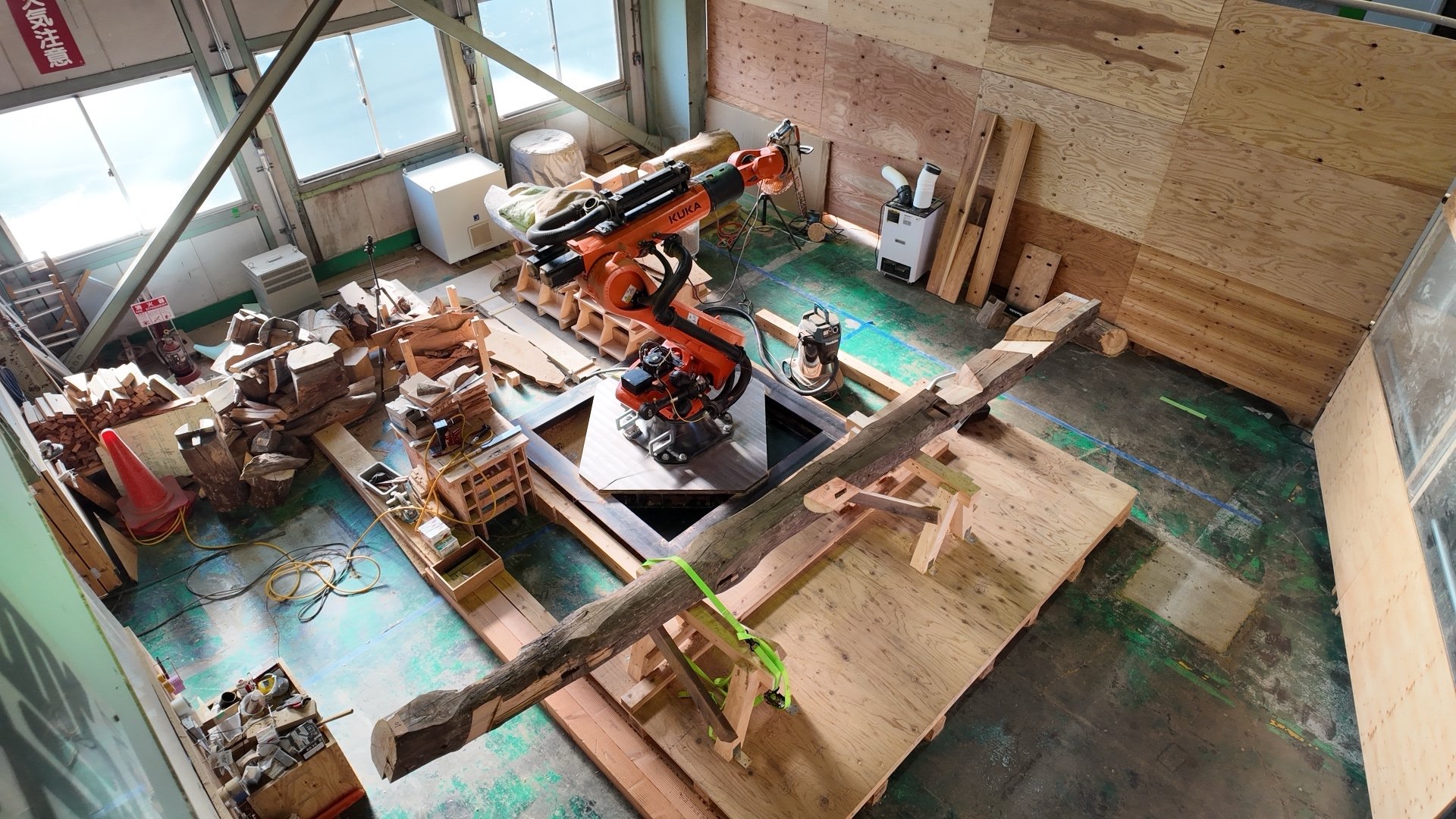
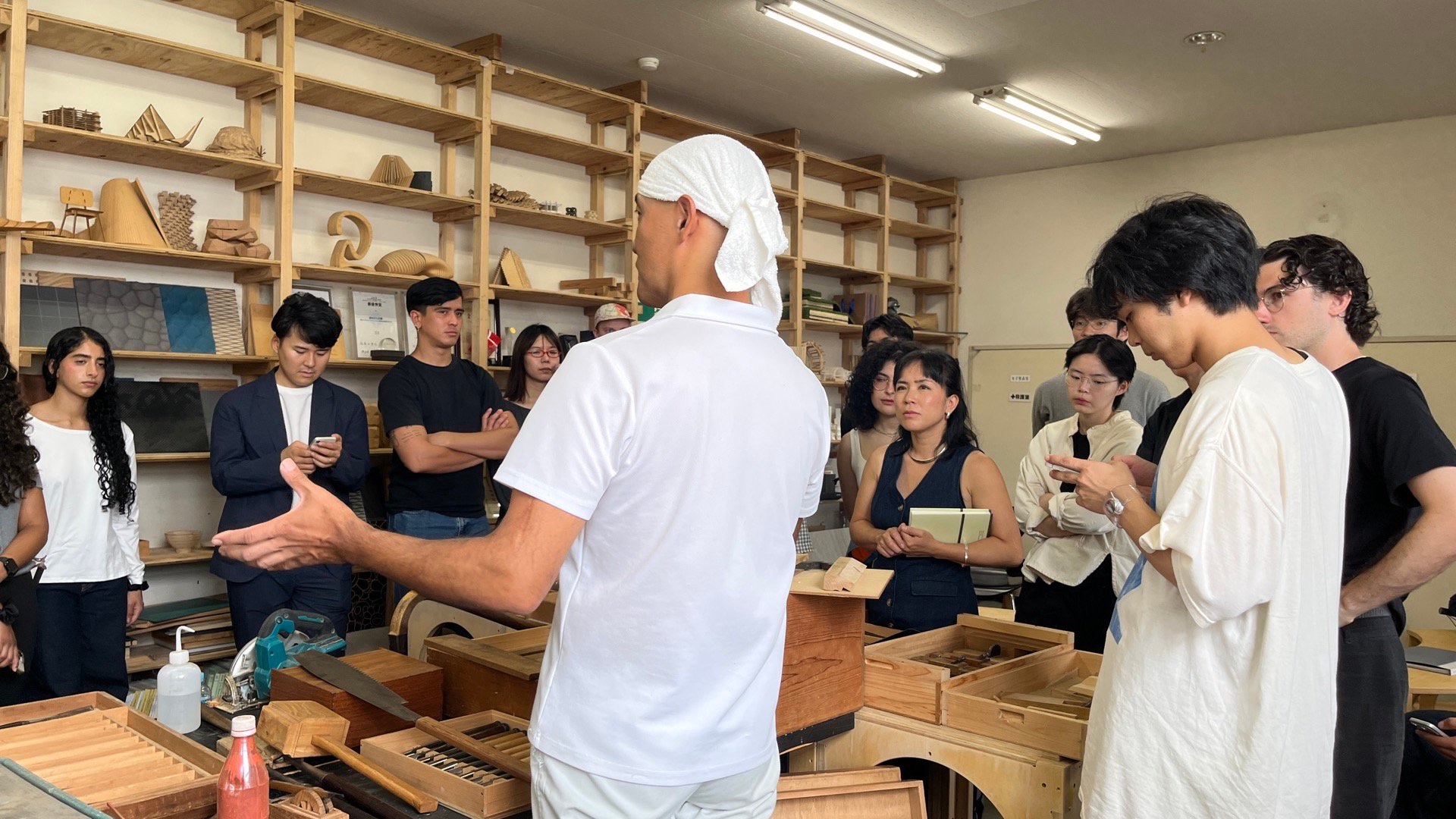
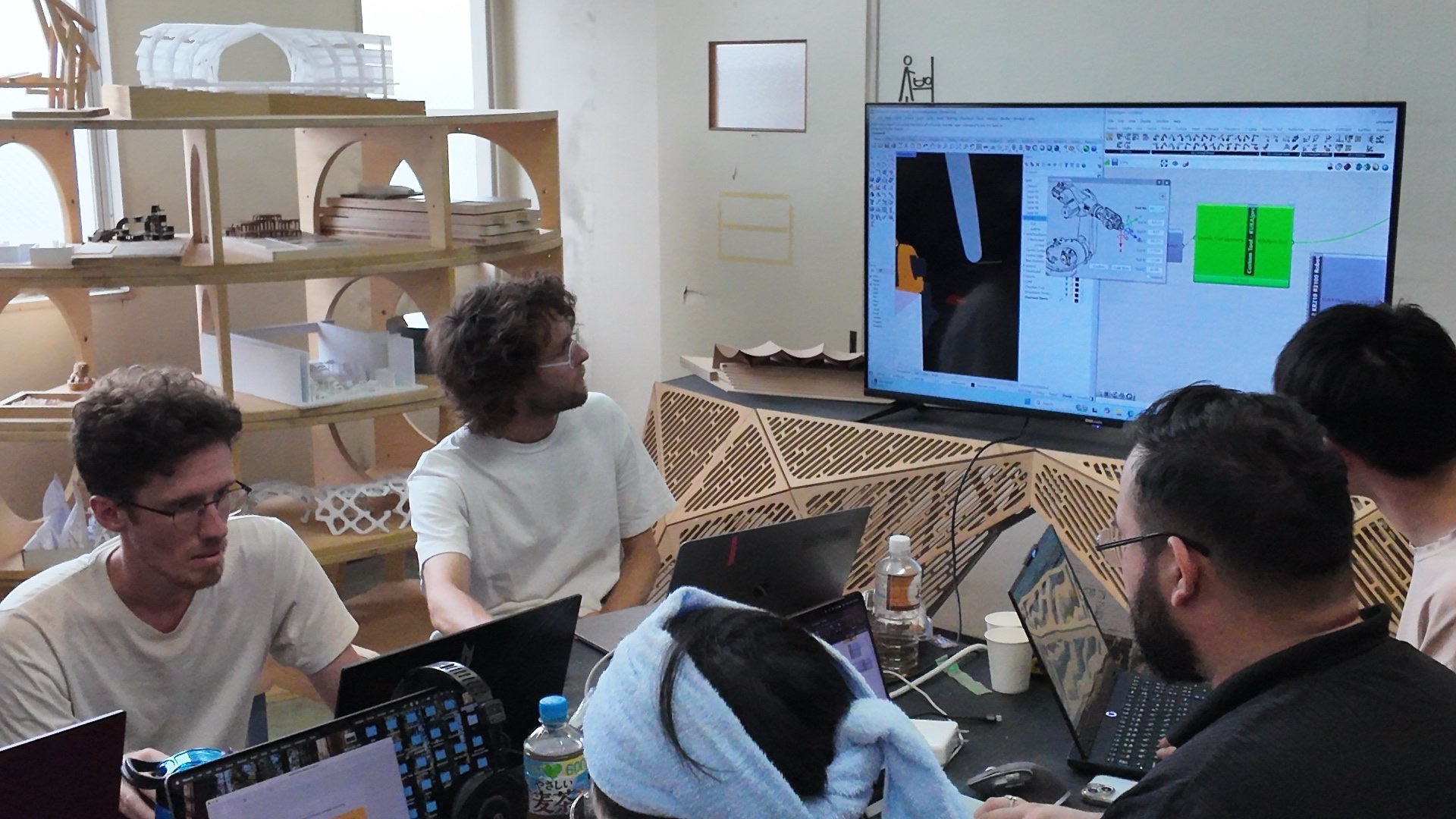
Students carried out every step themselves: developing ideas, 3D digital design in Rhinoceros and Grasshopper, machining timber with CNC routers and a robotic arm, finishing components with traditional carpentry techniques, and assembly. By inviting instructors to teach traditional carpentry, the program aimed not to rely on digital technology alone, but to connect physical craftsmanship with digital fabrication.
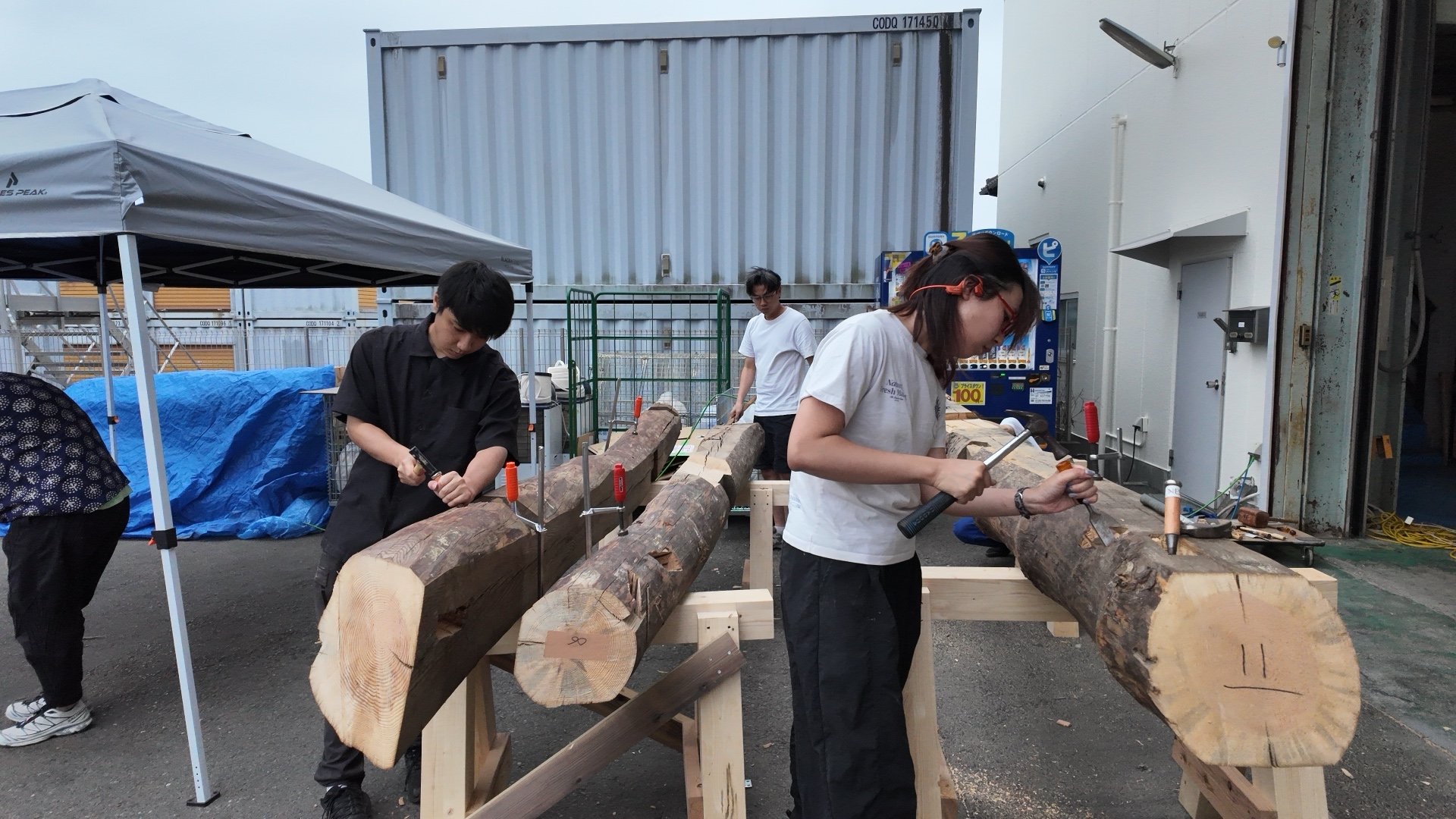
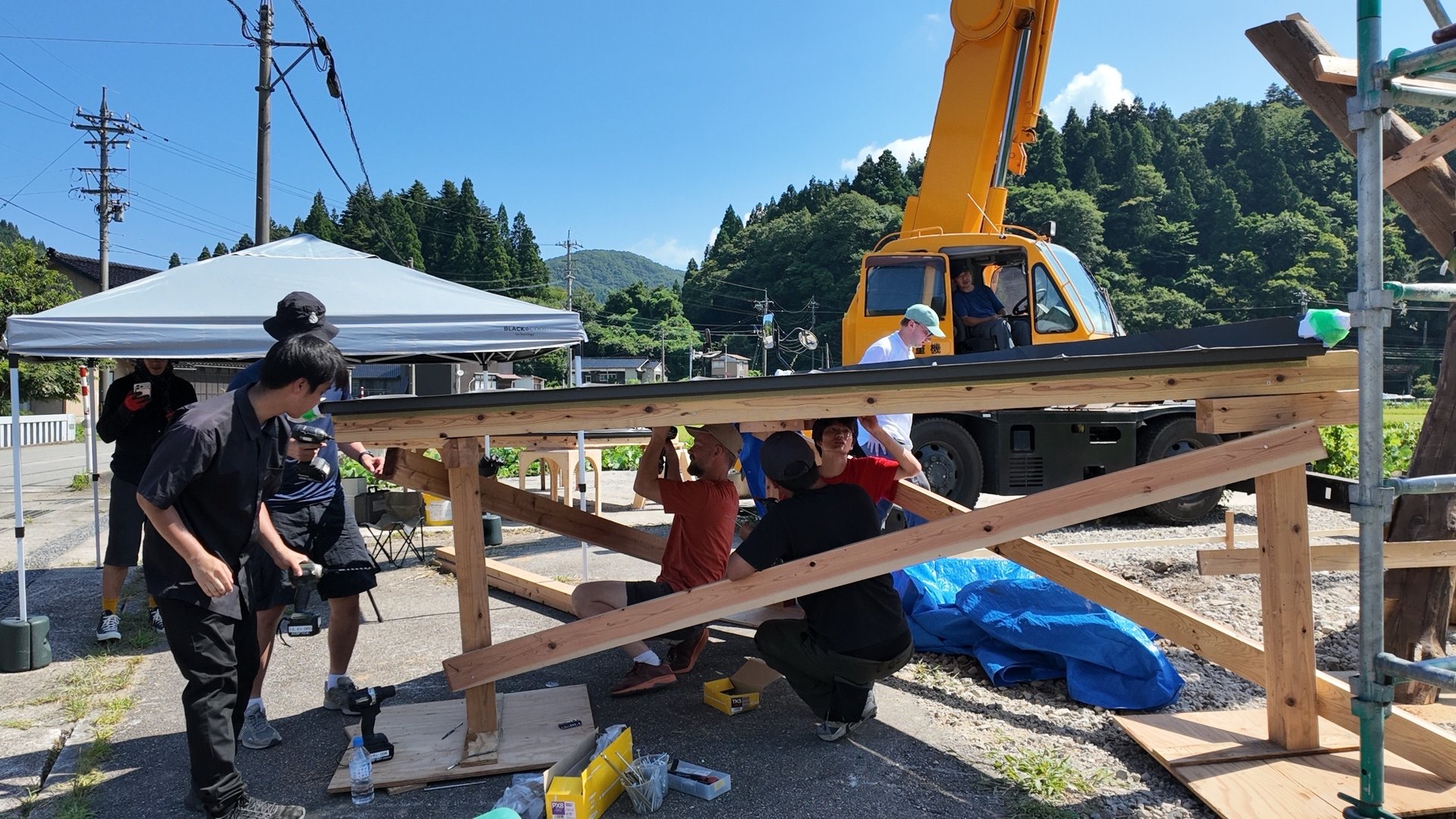
3. Using local resources | Giving timber rescued after the Noto earthquake a new life in architecture
The program used components from earthquake-damaged houses that had to be demolished, which Noto Fukko Lab (Wajima, Ishikawa; “Noto Fukko Lab”) and Kozai Create Aogumi (Togi, Shika, Hakui District, Ishikawa) have rescued (collected and stored) since the 2024 Noto Peninsula Earthquake (“rescued timber”).
Before the program began, we asked Noto Fukko Lab what the community needed most right now. As a result, we decided to build a pavilion that would serve as a place for local people to rest and gather. We also learned that rescued timber is difficult to reuse as a modern building material because of its bends, knots, irregular cross-sections and existing mortises. Instead of evening out these differences, we made it a design condition to make the most of each piece’s shape and character, and proceeded with the digital design process on that basis.
For the students who came from overseas, it was a valuable opportunity to learn about the current state of the areas affected by the 2024 Noto Peninsula Earthquake, and to experience local resources and Japan’s timber building culture first-hand.
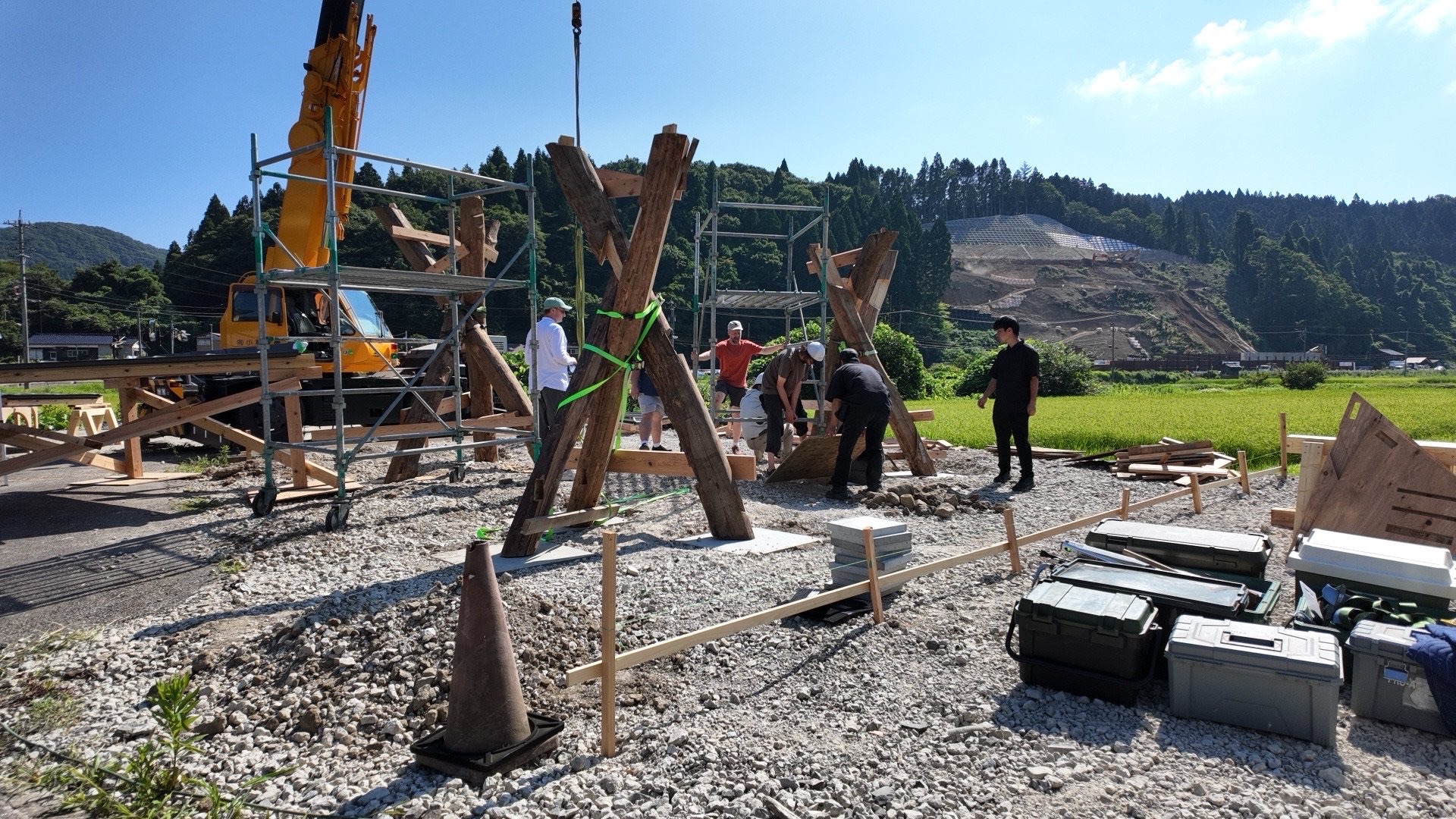
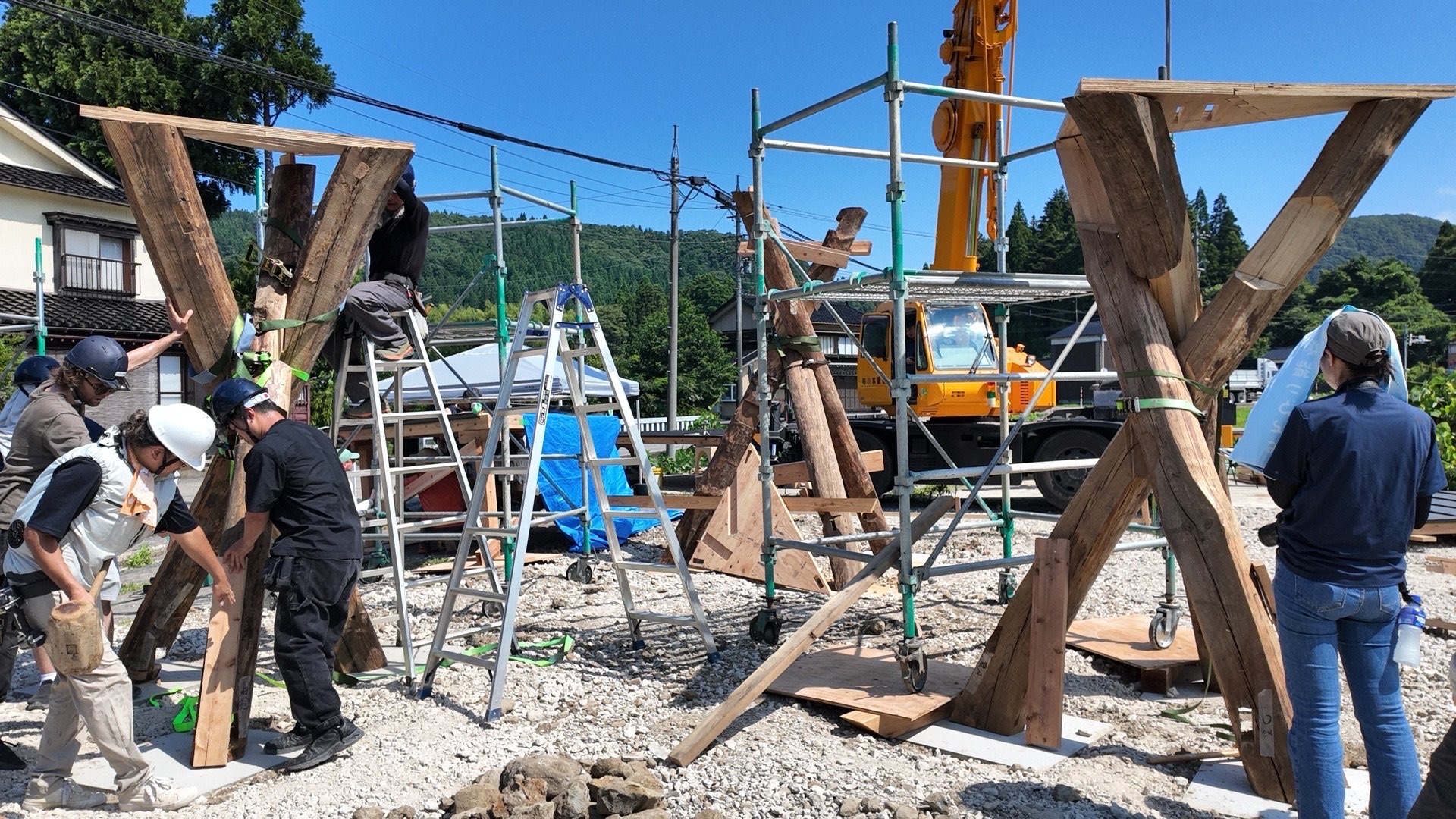
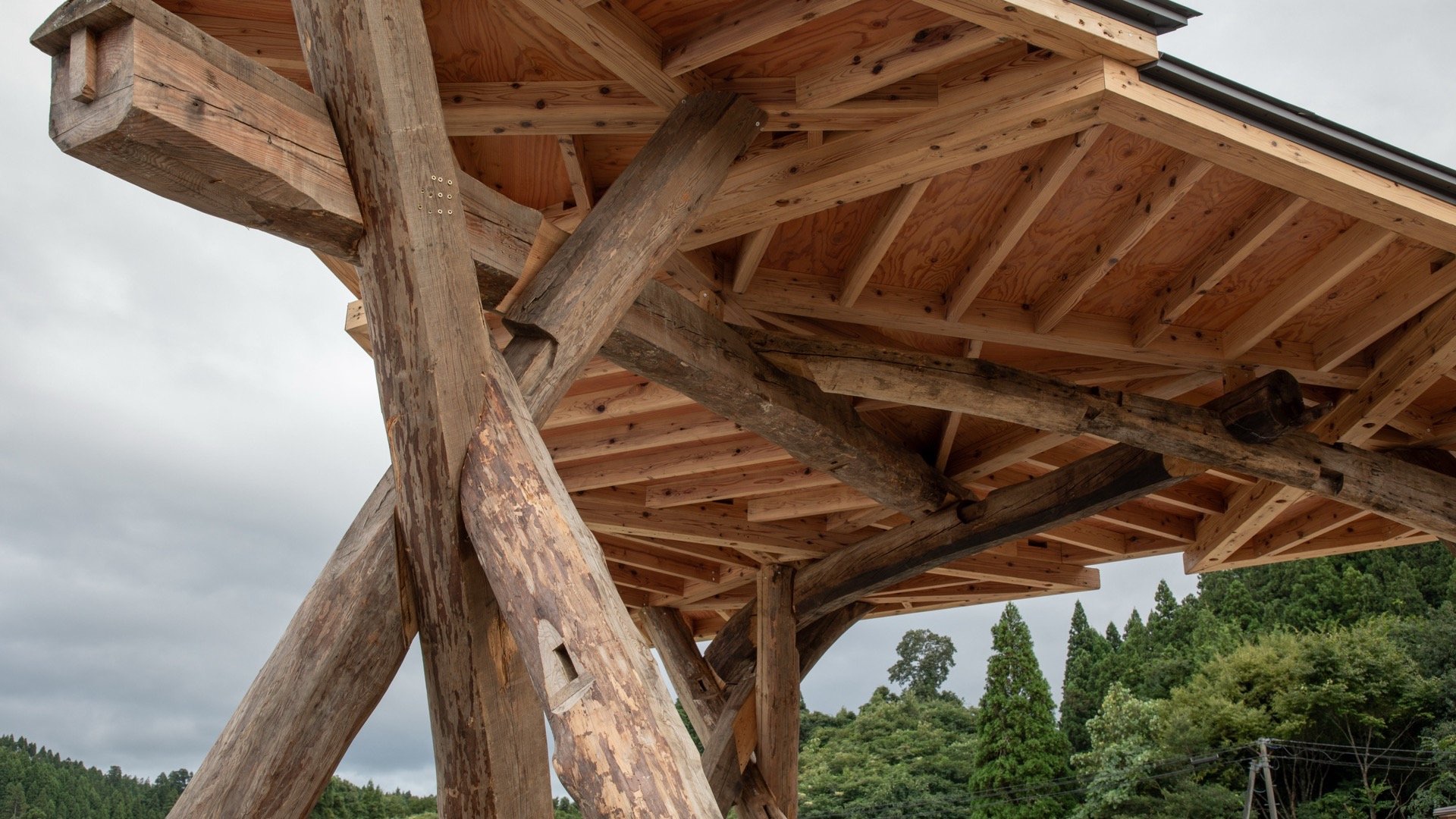
4. A pavilion completed in 12 days
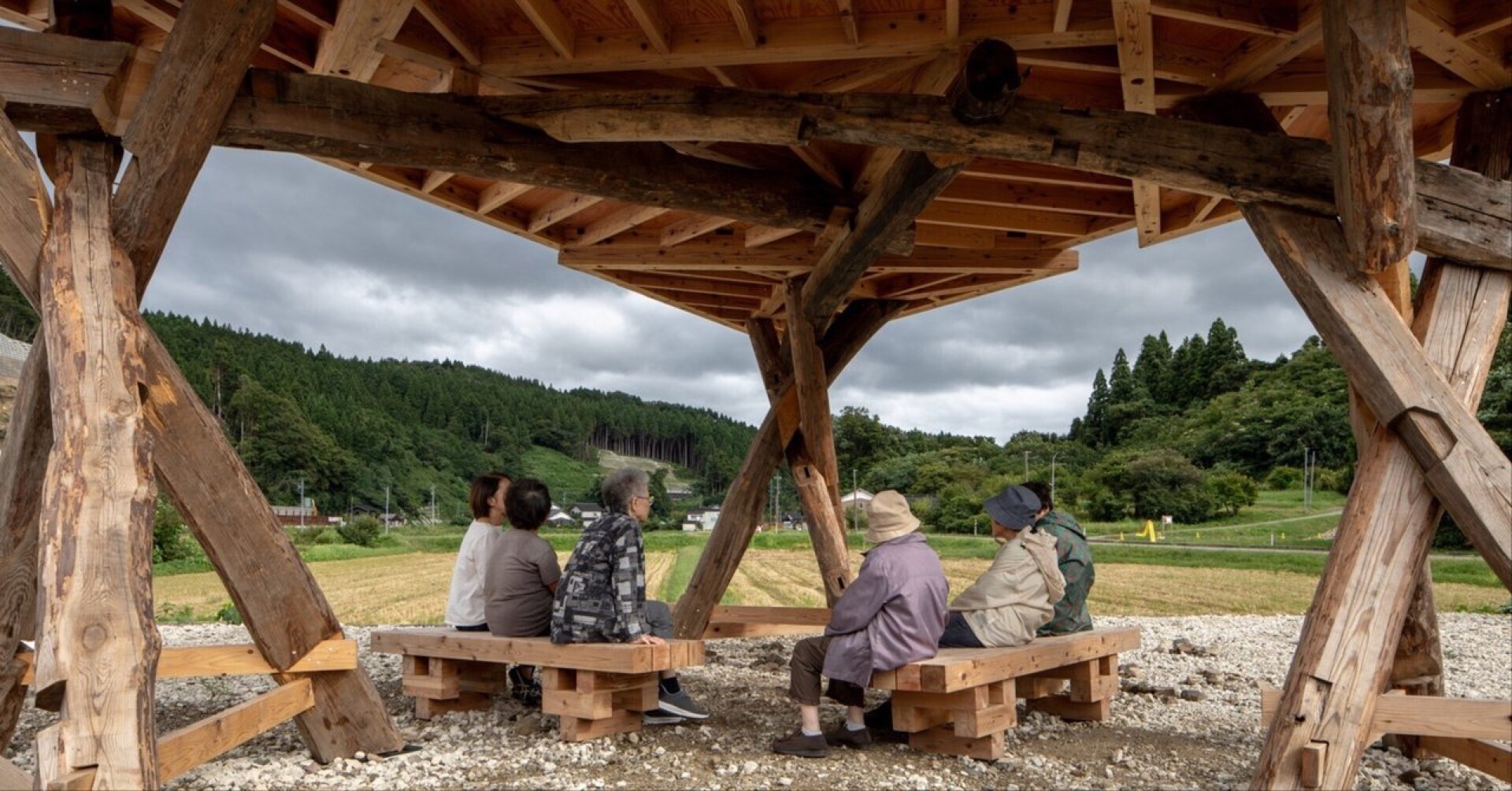
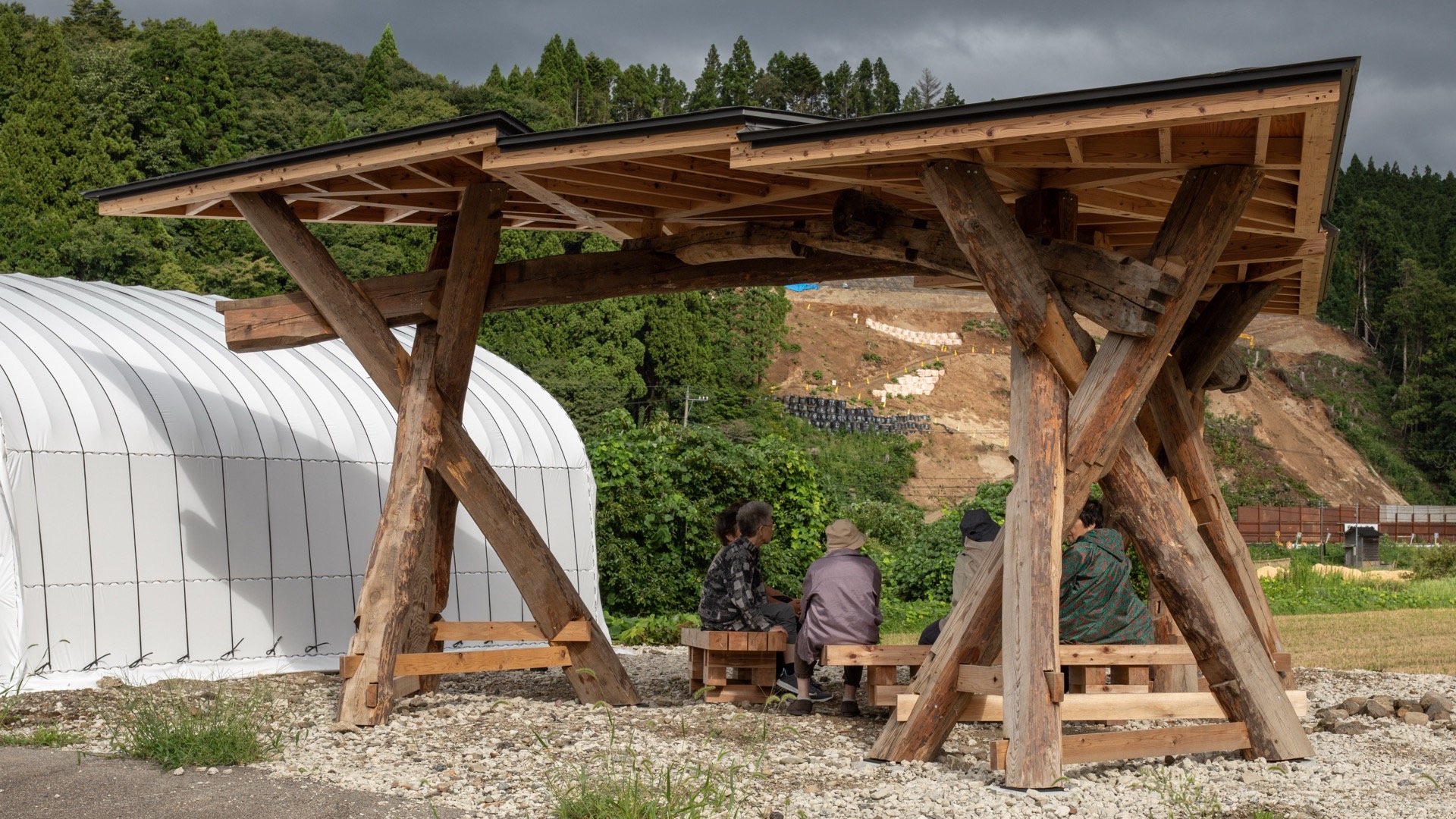
Although the program was short, students went beyond design to experience actual fabrication and construction, completing the pavilion in just 12 days. Through a process in which they thought, made and assembled on site using local materials and digital technology, they put into practice new possibilities for architectural education that combine digital technology, local resources and education. The completed pavilion is used as a resting space for volunteers involved in recovery support, and is expected to become a new gathering place for the community: an open, well-ventilated space where people can relax while looking out over the rural landscape.
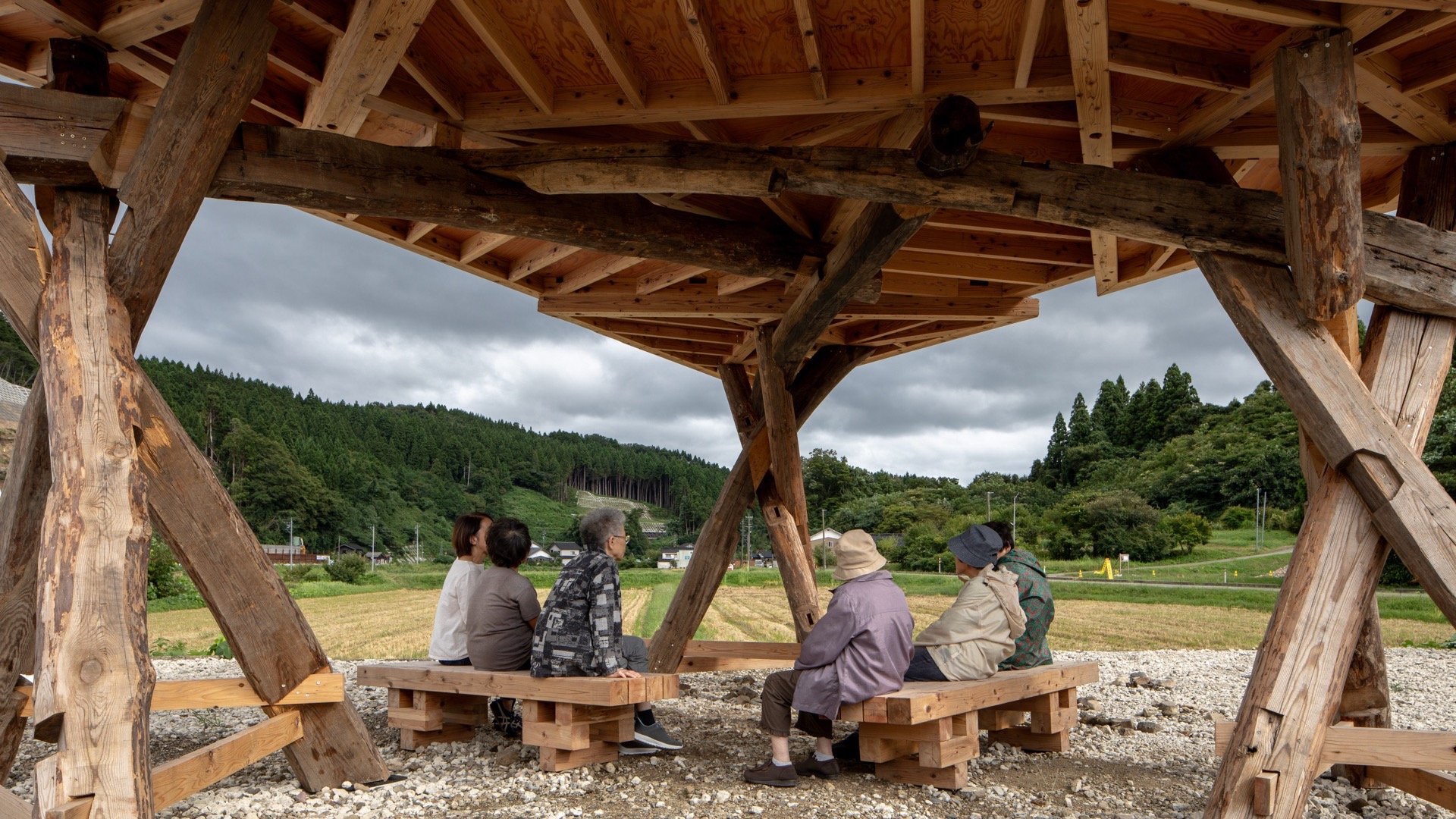
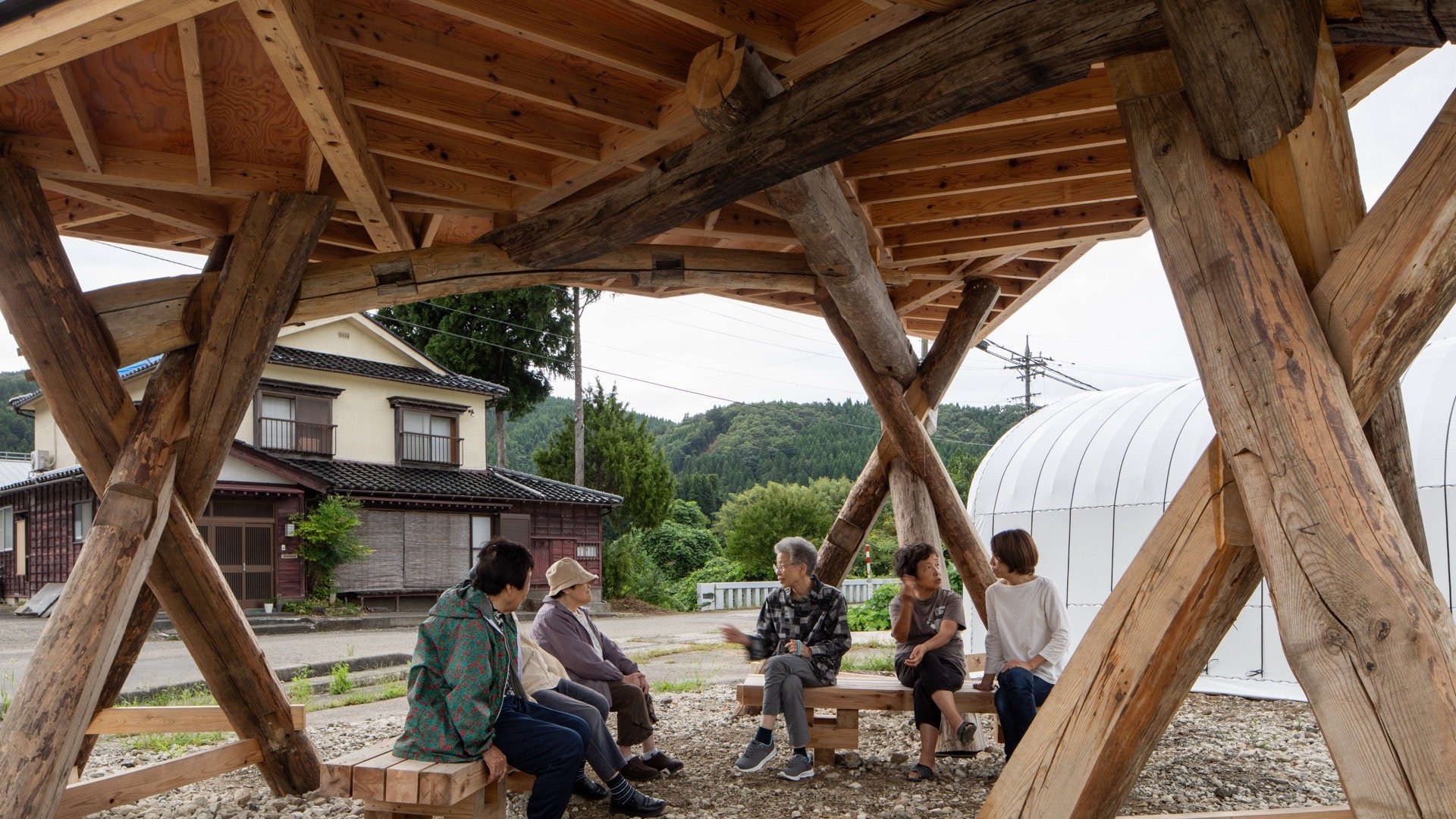
5. Looking ahead | Architecture startup VUILD, toward the democratization of architecture
In May 2026, VUILD installed a KUKA robotic arm in its own factory. In this collaboration with the AA Visiting School, we opened up our factory facilities and offered an opportunity to learn through a real building process while working hands-on with a digital fabrication environment. Through collaboration with a wide range of people, we will continue to bring architecture and spaces rooted in local issues and resources into society.
*We aim to continue this program next year and beyond, and are looking for sponsors and partners. We also welcome inquiries about planning and running educational programs and joint projects at any time.
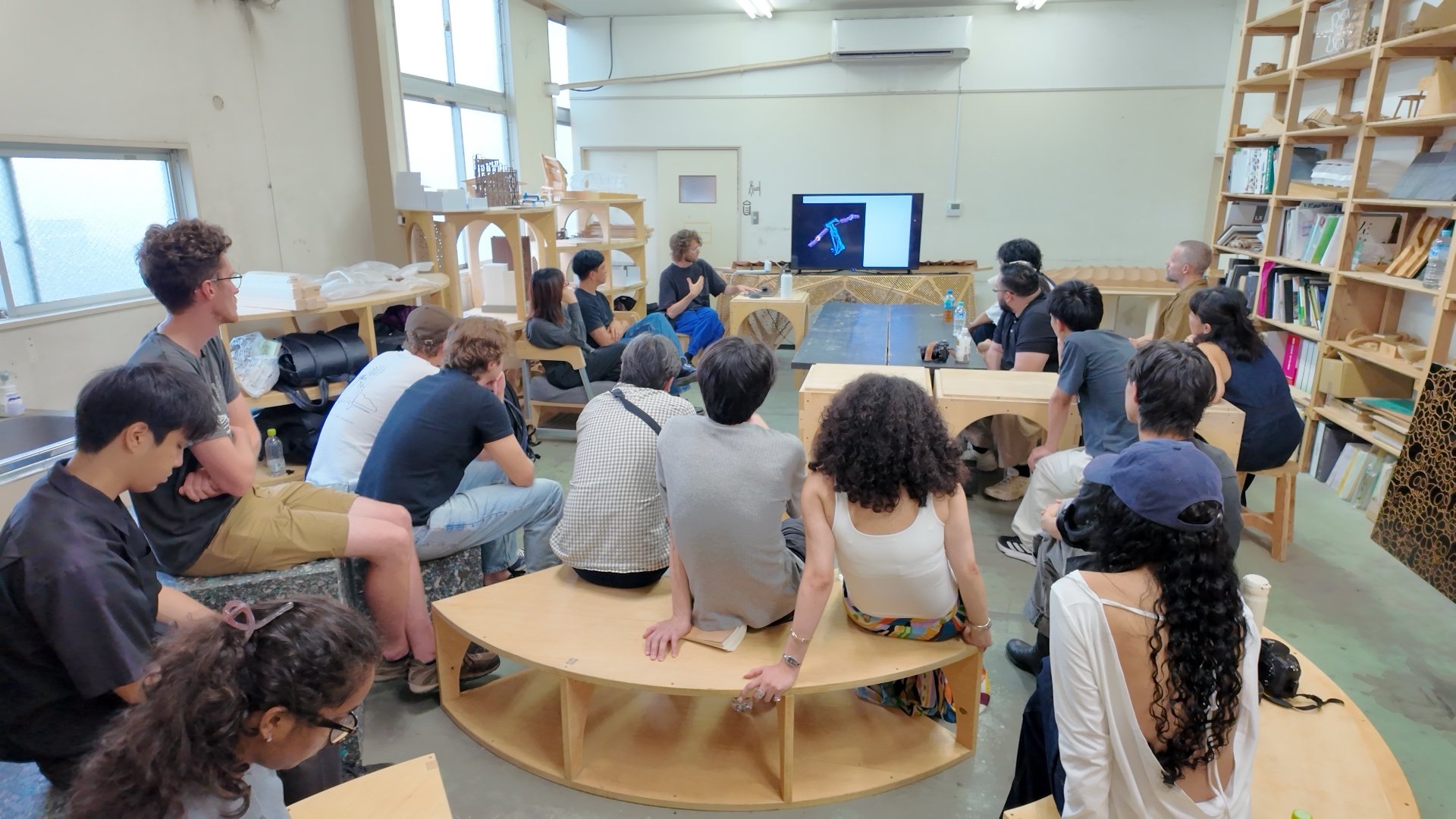
■ AA Visiting School Japan digest video
■ Media coverage
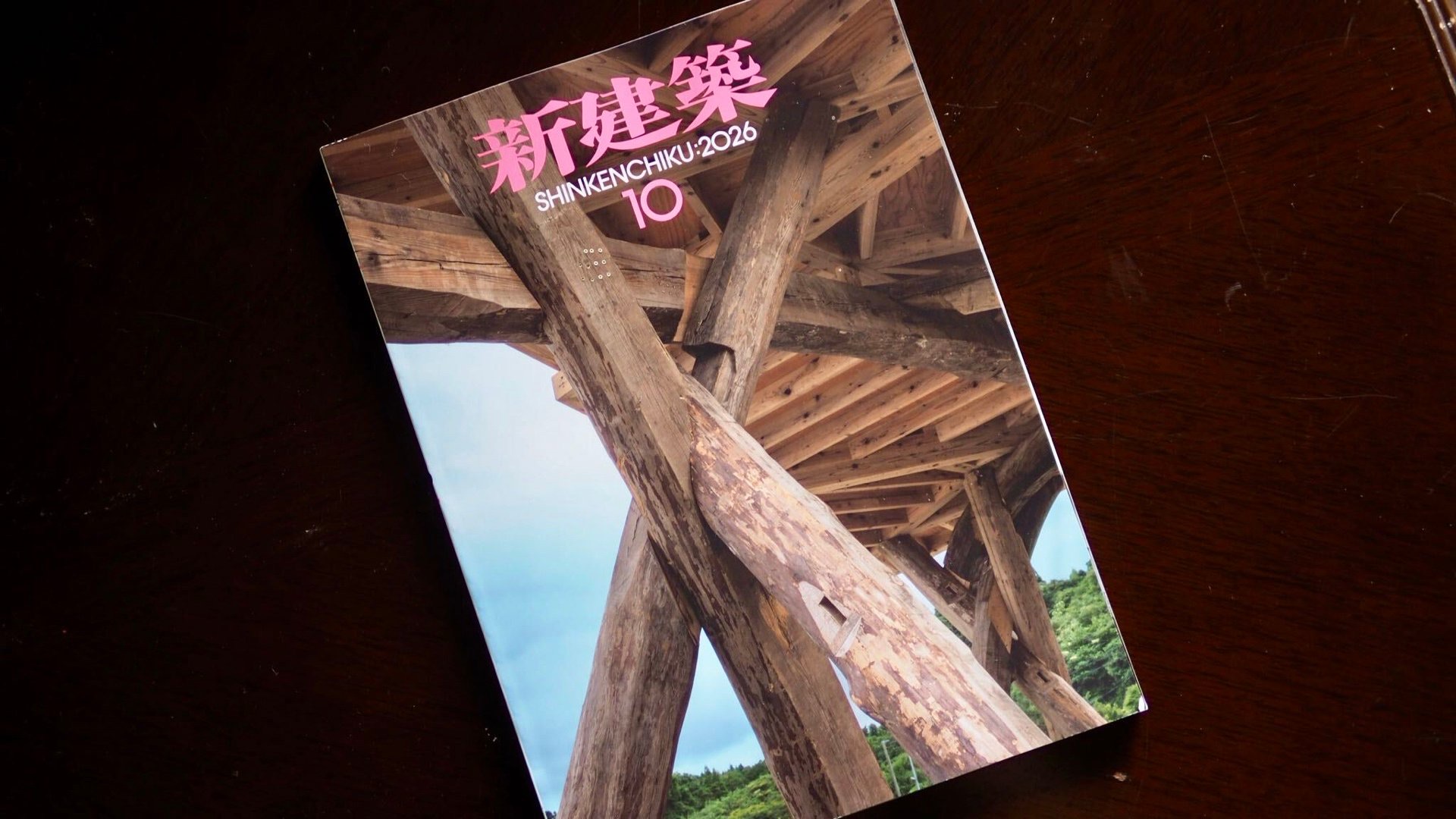
The project was featured in the October 2026 issue of the architecture journal Shinkenchiku.
“Noto Reclaimed Timber Rest Area,” p.44–
▼ Shinkenchiku, October 2026
https://japan-architect.co.jp/shop/shinkenchiku/sk-202610/
Project credits
● Program: AA Visiting School Japan × VUILD
Partner institution: AA School (Architectural Association School of Architecture)
● Theme: From Vernacular Craft to Digital Fabrication
● Dates: Mon, July 27 – Fri, August 7, 2026
● Venue: VUILD Ebina Factory + Noto Fukko Lab
● Duration: 12 days
Output: Pavilion
● Main techniques: Digital design, CNC and robotic-arm timber machining, hand finishing and assembly
● Main materials: Reclaimed and unused timber left after the Noto Peninsula Earthquake
● Co-organizers: Architectural Association School of Architecture (AA School) / VUILD / AA Hooke Park / Office Ten Architecture
● Sponsor: AZUSA SEKKEI
Press contact
VUILD Inc. Public Relations
Email: press@vuild.co.jp
It’s okay if you haven’t decided what to create yet.
Across design, fabrication, and construction,
we design the very path to realization itself.
Please feel free to get in touch.
It’s okay if you haven’t decided what to create yet. Across design, fabrication, and construction, we design the very path to realization itself. Please feel free to get in touch.
何をつくるか、まだ決まっていなくても構いません。設計、製造、施工を横断し、「実現の道筋」 そのものを設計します。ぜひ、お気軽にお問い合わせください。